Safety standards
Protect people, surfaces, and the service environment
Teams assess conditions, use material-aware methods, protect nearby areas, and stop when a task falls outside safe cleaning scope.
Condition check
Surface-safe process
Final walkthrough
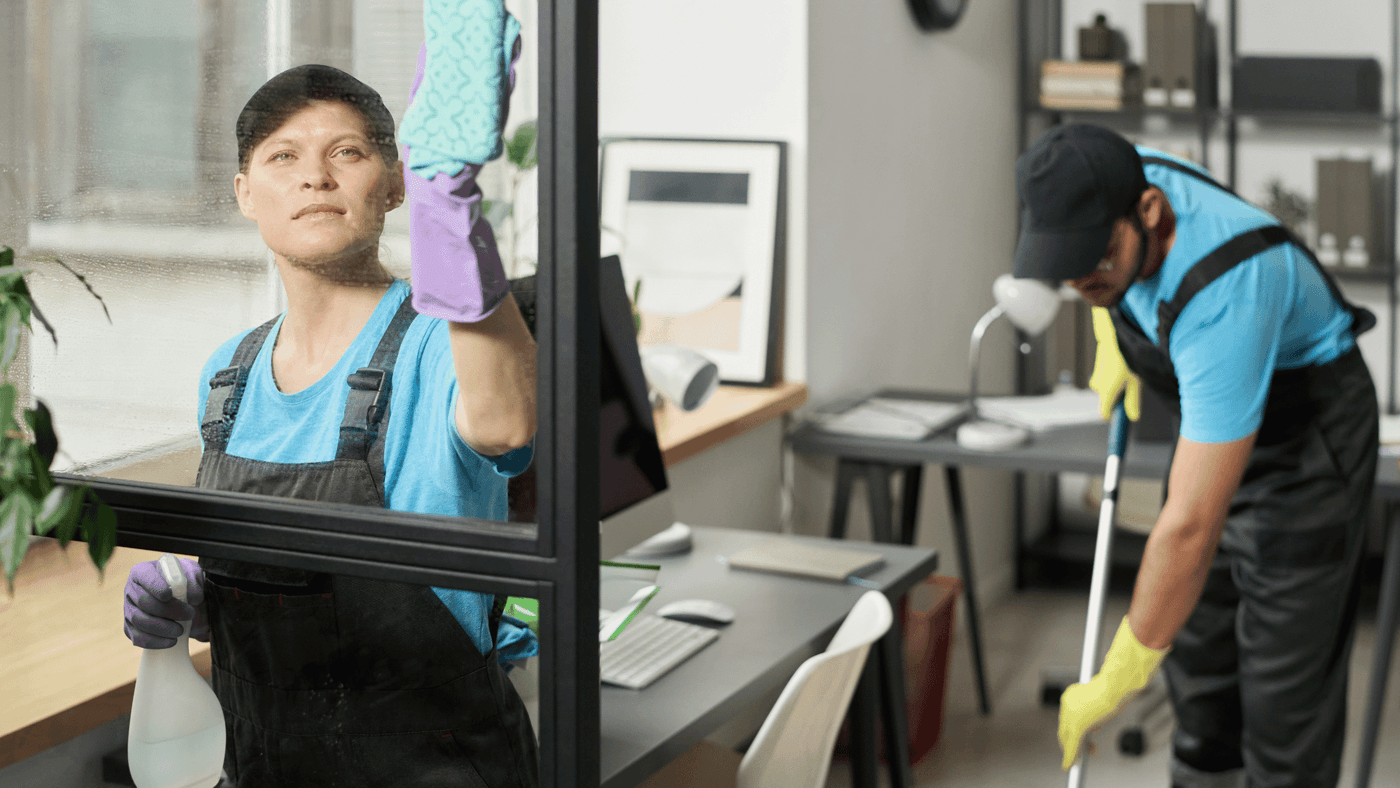
Three safety checkpoints
Every appointment is structured around preparation, controlled execution, and completion review.
1
Pre-service assessment
2
Protected cleaning process
3
Customer walkthrough
Team preparation
- Confirm the selected service, variant, address, and customer priorities.
- Inspect materials and visible risks before applying products or equipment.
- Keep tools organized to reduce trips, spills, and obstruction.
Work that requires a specialist
The standard cleaning catalog excludes hazardous waste, mold remediation, pest treatment, electrical or plumbing work, structural repair, high-access exterior work, and restoration requiring licensed specialists.
Visible process, not hidden assumptions
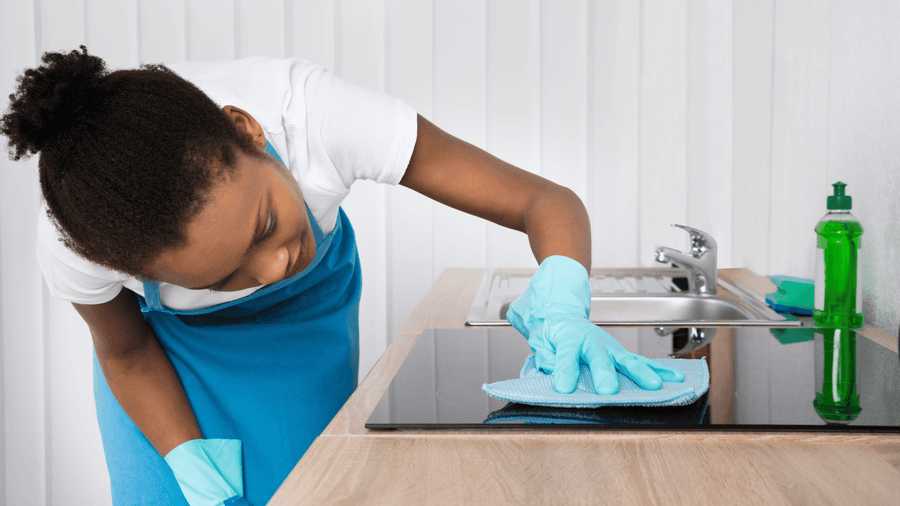
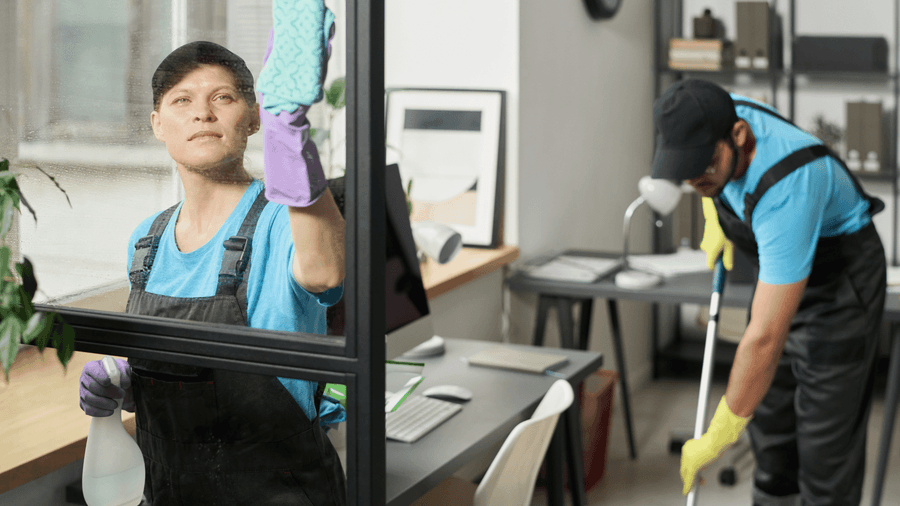
The gallery reinforces preparation, controlled tools, and clear completion checks.

Safety questions
What customers and teams should clarify before work begins.
- Yes. Share relevant allergies, scent sensitivities, material restrictions, and ventilation concerns before the appointment.
- The team should pause work around the affected area, document the condition, and confirm the next step with the customer.
Choose a scope that matches the actual condition
Accurate service selection is the first safety and quality control.
Browse staffed services